CALL US: (405) 348-1453
Address: 3104 S Kelly, Edmond, OK 73013
Email: office@edmondair.com
Email: office@edmondair.com
Winter in Edmond, Oklahoma, brings colder temperatures that can pose a serious threat to your home’s plumbing system. When water freezes, it expands, creating immense pressure that can cause pipes to crack or burst. The resulting water damage can lead to costly repairs and significant stress for homeowners. Preparing your plumbing for the cold is one of the most important steps you can take to protect your property.
For residents in Edmond, Oklahoma City, and the surrounding OKC Metro areas, a little preventative maintenance goes a long way. This guide offers top plumbing tips to safeguard your home against freezing temperatures and ensure your system runs smoothly all winter long. By taking these proactive steps, you can avoid the headache of frozen pipes and enjoy a worry-free season.
A burst pipe is more than just an inconvenience; it can cause thousands of dollars in damage to your floors, walls, and personal belongings. In regions like central Oklahoma, where temperatures can unexpectedly drop below freezing, unprotected pipes are highly vulnerable.
Winterizing your plumbing helps you avoid:
Fortunately, protecting your plumbing is straightforward. Following a few key tips can make all the difference.
One of the most common causes of frozen pipes originates outside the home. Garden hoses left connected to outdoor spigots are a major hazard.
What to Do:
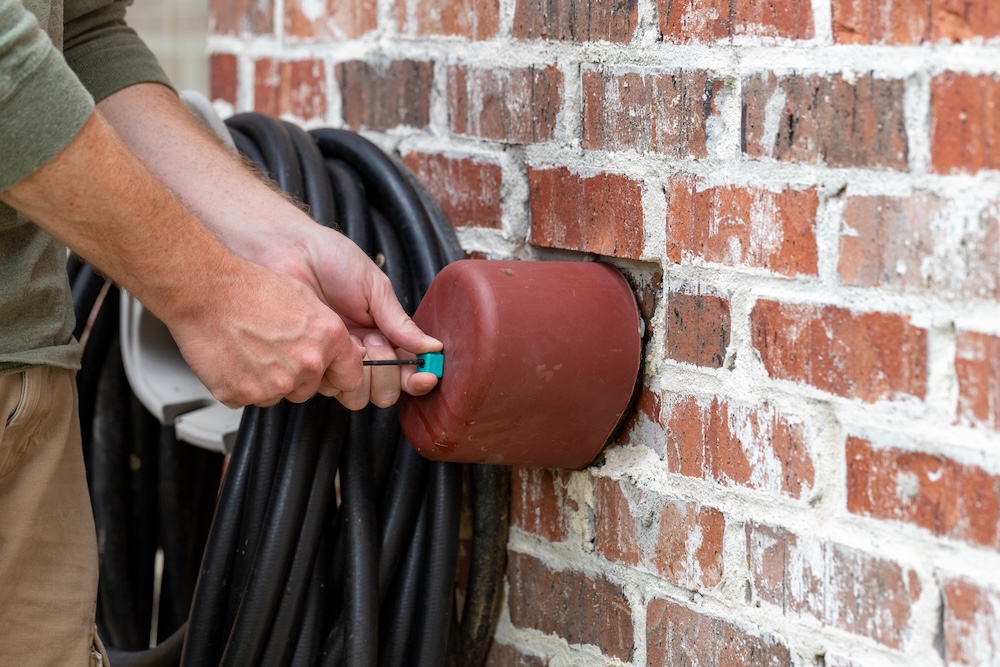
For extra protection, consider installing insulated faucet covers. These inexpensive foam domes fit over your outdoor spigots and provide an additional barrier against the cold.
Any unheated area of your home puts your pipes at risk. Basements, crawl spaces, attics, and garages are common problem spots where plumbing is often exposed to cold air. Insulation is your first line of defense.
How to Insulate Pipes:
Proper insulation not only prevents freezing but can also help reduce heat loss from hot water pipes, saving you money on your energy bill.
Cold drafts are a pipe’s worst enemy. Even a small stream of cold air can lower the temperature around a pipe enough to cause it to freeze. Sealing these leaks is a simple and effective way to protect your plumbing and improve your home’s energy efficiency.
Where to Look for Leaks:
A quick inspection around your home in Edmond, Oklahoma, can reveal these problem spots before they cause trouble.
Maintaining a consistent temperature inside your home is critical, even when you are away. While it may be tempting to turn the thermostat way down to save money on vacation, doing so could lead to a much more expensive problem.
Best Practices:
When a severe cold front moves through Oklahoma City or the surrounding OKC Metro areas, even well-insulated pipes can be at risk. In these situations, letting a small amount of water run can prevent freezing.
How to Do It Right:
This simple trick can be a lifesaver during an arctic blast and is a small price to pay for peace of mind.
In a plumbing emergency, every second counts. Knowing how to quickly shut off the water to your entire house can minimize damage from a burst pipe.
Protecting your plumbing from winter’s chill is an essential task for any homeowner in Edmond, Oklahoma. By disconnecting outdoor hoses, insulating pipes, sealing drafts, and keeping your home warm, you can significantly reduce the risk of frozen pipes.
If you are unsure about any of these steps or want a professional inspection, contact a trusted local plumber. An expert can assess your home’s specific needs and provide solutions to ensure your plumbing is ready for whatever winter brings. Don’t wait for the temperature to drop—take action today to protect your home.