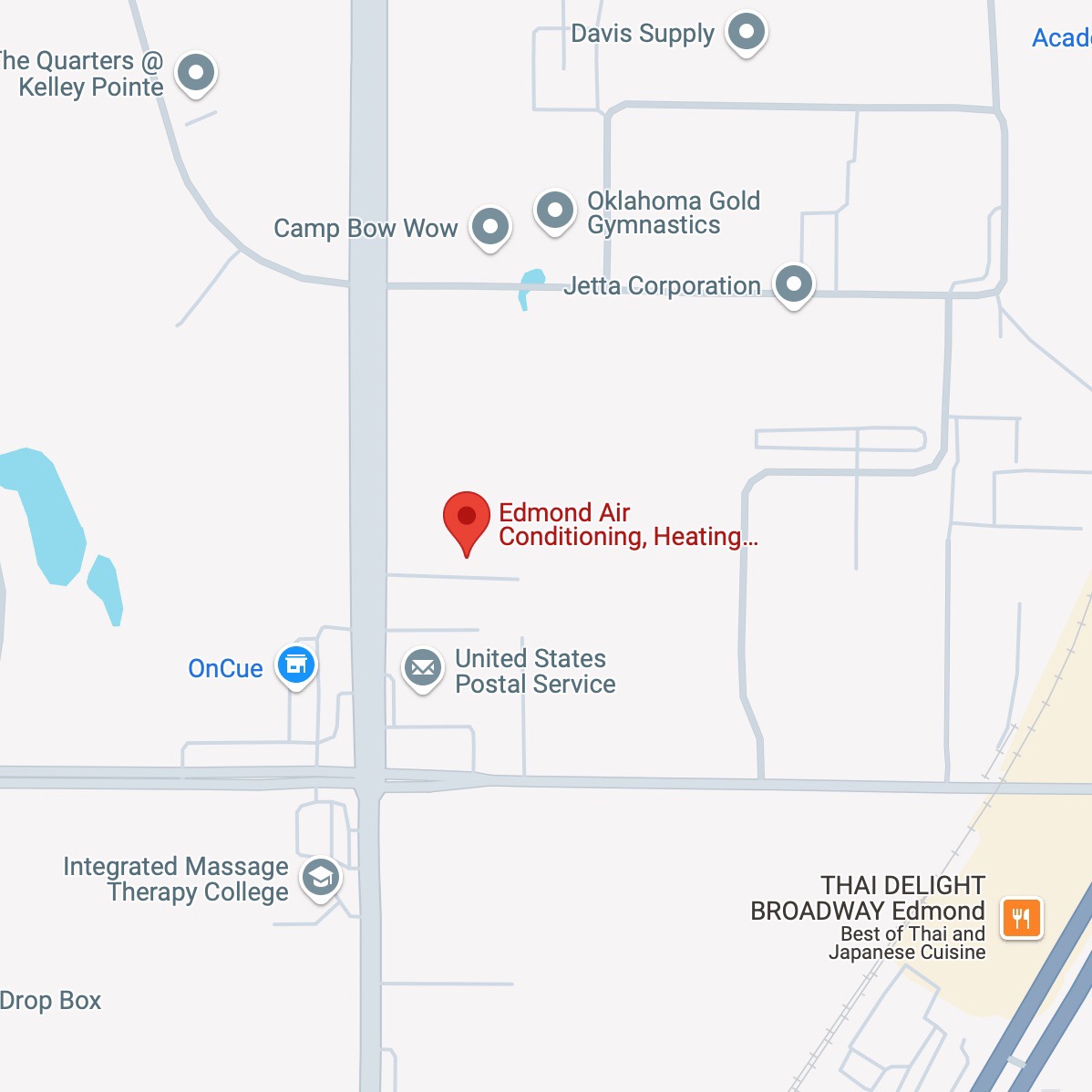
Address: 3104 S Kelly, Edmond, OK 73013 Email: office@edmondair.com
6 Winter HVAC Maintenance Tips for Edmond, OK Homeowners
As winter settles into Edmond, Oklahoma, and the surrounding OKC Metro areas, a reliable heating system becomes less of a luxury and more of a necessity. Your HVAC system works hard to keep your home warm and comfortable against the biting cold. However, without proper care, it can struggle to perform efficiently, leading to higher energy bills, unexpected breakdowns, and a chilly home environment. This guide will walk you through essential winter HVAC maintenance tips for homeowners to keep your system in peak condition all season long.
Preparing your heating system for the demands of winter is one of the smartest investments a homeowner can make. A little proactive maintenance ensures your unit runs smoothly, saves you money, and provides peace of mind when you need it most!
Why Winter HVAC Maintenance is Non-Negotiable
Ignoring your HVAC system until a problem arises is a recipe for disaster, especially during an Oklahoma City cold snap. Regular maintenance is not just about preventing costly repairs; it’s about ensuring efficiency, safety, and longevity.
A well-maintained system:
Operates more efficiently, using less energy to heat your home and lowering your utility bills.
Provides consistent and reliable warmth, eliminating cold spots and improving overall comfort.
Has a longer lifespan, protecting your investment and delaying the need for a costly replacement.
Improves indoor air quality, filtering out dust and allergens that can be trapped indoors during winter.
Ensures safe operation, reducing the risk of issues like carbon monoxide leaks from gas furnaces.
Following a few simple maintenance steps can make a significant difference in how your system performs throughout the winter.
1. Change Your Air Filters Religiously
This is arguably the most straightforward yet most impactful HVAC maintenance task you can perform. A dirty or clogged air filter is a primary cause of heating system inefficiency and failure. When the filter is clogged with dust, pet dander, and other debris, it restricts airflow. This forces your furnace to work much harder to push air through, leading to increased energy consumption and strain on the components.
Your Action Plan:
Inspect filters monthly: During the heavy-use winter months, check your filter at least once a month.
Replace as needed: A standard one-inch filter should be replaced every 1-3 months. If you have pets, smokers, or allergy sufferers in your home, you may need to change it more frequently.
Choose the right filter: Select a filter with a MERV (Minimum Efficiency Reporting Value) rating that is compatible with your system. A higher MERV rating means better filtration, but an overly restrictive filter can also impede airflow if your system isn't designed for it.
2. Clear and Clean Around Your HVAC Units
Your HVAC system needs room to breathe to function properly. This applies to both your indoor furnace and your outdoor heat pump or condenser unit (if you have one).
For Indoor Furnaces:
Keep the area clear: Ensure the space around your furnace is free of clutter. Never store flammable materials like paint, cleaning supplies, or gasoline near the unit. A two-to-three-foot clearance is recommended.
Clean the registers and vents: Go through your home and make sure all supply and return air vents are open and unblocked by furniture, rugs, or drapes. Use a vacuum to clean dust and debris from the grilles to promote better airflow.
For Outdoor Units (Heat Pumps):
Remove debris: Keep the area around your outdoor unit clear of leaves, snow, ice, and grass clippings. This debris can obstruct airflow and cause the system to overwork.
Check for ice buildup: During particularly icy weather in Edmond, check your heat pump for ice accumulation. While some frost is normal, a thick layer of ice can hinder performance. Most modern heat pumps have a defrost cycle, but if ice persists, it could signal a problem that requires a professional.
3. Inspect Your Ductwork for Leaks
Your ductwork is the circulatory system for your home’s heated air. Leaks, holes, and poor connections in the ducts can allow a significant amount of warm air to escape into unheated spaces like your attic or crawl space. According to some estimates, leaky ducts can account for up to 30% of energy loss.
How to Check for Leaks:
Visual inspection: Look for obvious tears, gaps, or disconnected joints in the accessible ductwork in your basement, attic, or crawl space.
Feel for airflow: With the system running, run your hand along the seams and joints. If you feel air escaping, you have a leak.
Use duct sealant or metal tape: For minor leaks, you can use mastic sealant or metal-backed foil tape to seal the gaps. Avoid using standard "duct tape," as it does not hold up well to temperature changes.
For a comprehensive assessment, a professional technician can perform a duct blaster test to pinpoint and seal all leaks effectively.
4. Test Your Thermostat for Accuracy
Your thermostat is the brain of your heating system. If it isn’t working correctly, your entire system will suffer. An inaccurate thermostat can lead to inefficient operation, uncomfortable temperature swings, and wasted energy.
Thermostat Maintenance Tips:
Check the settings: Ensure your thermostat is set to "Heat" and at the desired temperature.
Replace the batteries: If you have a battery-powered digital thermostat, replace the batteries at the beginning of the season.
Consider an upgrade: If you still have an old manual thermostat, upgrading to a programmable or smart model is a fantastic investment. A smart thermostat learns your habits, allows for remote control, and can save you up to 10-15% on your heating costs.
5. Schedule a Professional HVAC Tune-Up
While DIY maintenance is crucial, nothing replaces a professional tune-up. An annual inspection by a qualified HVAC technician is essential for catching potential problems before they become expensive emergencies. For homeowners in Edmond, Oklahoma, and the surrounding OKC Metro areas, scheduling this service in the fall is ideal.
A Professional Tune-Up Typically Includes:
Cleaning and inspecting the furnace burner and heat exchanger: This is critical for safety, especially with gas furnaces, as a cracked heat exchanger can leak carbon monoxide.
Checking electrical connections: Tightening connections and measuring voltage ensures safe and efficient operation.
Lubricating moving parts: Proper lubrication reduces friction and wear on motors and other components.
Inspecting the condensate drain: A clogged drain in a high-efficiency furnace can shut the system down.
Testing system controls and safety circuits: This ensures the system starts, operates, and shuts off properly.
This professional check-up provides the peace of mind that your system is safe, reliable, and ready to handle the coldest days of winter.
6. Monitor for Unusual Signs and Sounds
Pay attention to how your heating system operates. Unusual noises, strange smells, or changes in performance can be early warning signs of a developing problem.
Watch Out For:
Strange noises: Banging, rattling, or squealing sounds can indicate loose parts, a worn-out belt, or motor issues.
Odd smells: A burning smell could signal an electrical problem or overheating motor. A scent of rotten eggs from a gas furnace could indicate a gas leak, which requires immediate attention.
Frequent cycling: If your furnace turns on and off more frequently than usual, it could be a sign of a clogged filter, improper airflow, or a faulty thermostat.
If you notice any of these red flags, turn off your system and call a professional HVAC technician in the Oklahoma City area right away.
Prepare Your Home for a Cozy Winter
Keeping your HVAC system in top shape is a key part of responsible homeownership in Edmond, Oklahoma. By following these winter maintenance tips—from changing your filters to scheduling a professional tune-up—you can ensure your home remains a warm and comfortable haven all season long. Don't wait for a breakdown to give your heating system the attention it deserves.