CALL US: (405) 348-1453
Address: 3104 S Kelly, Edmond, OK 73013
Email: office@edmondair.com
Email: office@edmondair.com
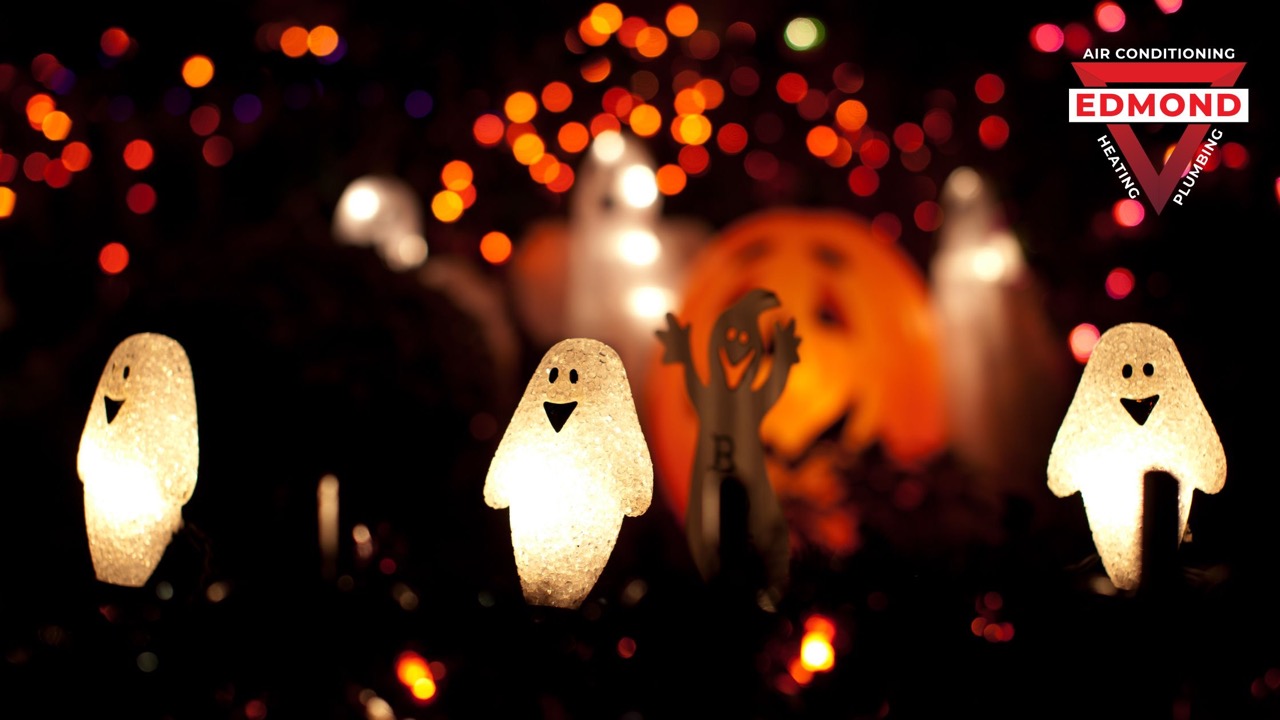
Flickering lights are perfect for a haunted house. They are much less fun when you did not plan the effect. If the kitchen lights dim when a decoration turns on, one lamp blinks throughout the evening, or several rooms flicker for no obvious reason, your home may be giving you an electrical warning.
Some flickering lights in Edmond, OK, homes come from a loose bulb or incompatible dimmer. Others can signal an overloaded circuit, poor electrical connection, aging wiring, panel problem, or issue with incoming power. October can make these problems more noticeable as families add lighted decorations, projectors, inflatables, fog machines, and other seasonal equipment.
The number of affected lights and whether you notice heat, odor, noise, or breaker trips can help determine how quickly the problem needs attention.
Supply ducts carry conditioned air into your rooms, while return ducts bring air back to the HVAC equipment. After a long cooling season, the transition to heat is a natural time to inspect visible registers, returns, and the filter. Replace a heavily loaded or poorly fitting filter according to the equipment manufacturer’s instructions.
An inspection is not the same as deciding the ducts need cleaning. A small amount of household dust is normal. The question is whether there are signs of excessive contamination, moisture, pests, or debris moving into occupied rooms.
When only one fixture flickers, begin with the bulb. Turn the light off, allow it to cool, and check whether it is seated correctly. A loose, damaged, or aging bulb may simply need the correct replacement.
If a new bulb continues to blink, the issue may be inside the fixture, lamp socket, switch, or connection serving that location. Stop using the light if the socket appears damaged, the fixture feels unusually hot, or you notice buzzing, discoloration, sparks, or a burning smell.
Do not reach into a socket, remove a hardwired fixture, or work on wiring unless the circuit has been safely de-energized and you are qualified to perform the repair.
LED bulbs draw power differently than traditional incandescent bulbs. An LED installed on an older or incompatible dimmer may flicker, pulse, fail to dim evenly, or remain faintly illuminated after the switch is turned off.
Confirm that the bulb and dimmer are designed to work together and that the bulb is approved for the fixture. If compatible bulbs behave the same way on one switch, the dimmer or wiring may need evaluation.
Replacing a bulb is ordinary homeowner maintenance. Replacing a hardwired dimmer involves the home’s electrical system and should be handled by someone with the appropriate training.
Motor-driven decorations and high-demand equipment can draw extra current when they start. A very brief, slight change in brightness may occur in some homes. Repeated or noticeable dimming, however, may indicate that the circuit is heavily loaded, the equipment needs a different circuit, or a connection is not performing properly.
Note what operates when the lights change. Common October triggers include animated props, inflatables, projectors, fog machines, sound systems, and long runs of decorative lights. Everyday appliances and HVAC equipment may also contribute. Do not connect multiple power strips or extension cords together to create more outlets.
Use decorations and cords according to their labels. Outdoor decorations should use equipment rated for outdoor use and be protected from water and physical damage. If a plug, outlet, cord, or wall plate feels hot, unplug the equipment if doing so is safe and stop using that setup. Heat, scorching, melted plastic, and a burning odor require prompt attention.
When fixtures in several rooms flicker together, the cause is less likely to be one bulb. A loose connection at a switch, receptacle, circuit, panel, meter, or service connection can interrupt power.
Loose electrical connections may also generate heat. That makes repeated whole-room or whole-house flickering more than a cosmetic concern, particularly when it is paired with crackling, buzzing, warm wall plates, discolored outlets, or breakers that trip.
Do not open the electrical panel or attempt to tighten service connections. Even when the main breaker is off, parts of the panel may remain energized. Edmond Air provides residential electrical repair services for problems involving switches, outlets, circuit breakers, and other home electrical components.
Halloween displays can place unexpected demand on a circuit, especially when several decorations share one outlet or extension cord. If the circuit also serves indoor lights, garage equipment, or appliances, the combined load may cause dimming or trip the breaker.
Do not solve repeated breaker trips by continually resetting the breaker or replacing it with a higher-rated one. The breaker rating must match the circuit wiring and design. Increasing the rating without a proper evaluation can remove an important layer of protection.
Check product instructions for connection limits and power requirements. Keep cords out of walkways, away from pinched doors and windows, and clear of standing water. Ground-fault circuit-interrupter protection is especially important where electricity is used outdoors or near moisture.
An electrician can measure the load, inspect connections, and determine whether a repair or dedicated circuit is appropriate. Edmond Air’s electrical installation and upgrade services include dedicated circuits and panel improvements.
If lights throughout the house flicker, brighten, and dim, the problem may involve the electrical panel, main service, meter connection, or utility supply. Other signs can include appliances behaving inconsistently, unexplained power interruptions, buzzing near the panel, or problems that worsen during windy or stormy weather.
A neighborhood-wide problem may need to be reported to the electric utility. If the issue appears limited to your home, a licensed electrician should inspect the system.
Never remove the panel cover or touch service equipment to investigate whole-house flickering. Contact emergency services when there is smoke, fire, active arcing, or an immediate danger. If a line is down outside, stay well away and contact the utility or emergency responders.
Older homes may have wiring or previous modifications that no longer fit modern demand. Age alone does not mean a home is unsafe, but flickering combined with frequent breaker trips, warm outlets, damaged insulation, or questionable work deserves evaluation.
A professional inspection can find the source of the symptom instead of repeatedly replacing bulbs and switches.
Edmond Air offers specialized residential electrical services, including electrical inspections for homeowners who need a clearer picture of their system’s condition.
Turn off power only if you can do so safely and seek prompt professional help when flickering is accompanied by:
Move away from any active electrical hazard and call emergency services when fire, smoke, or immediate danger is present. Water near energized equipment also requires special caution; do not enter standing water to reach a panel or device.
Useful details can help an electrician narrow down the problem:
Avoid repeatedly recreating the condition when there are warning signs of overheating or damaged wiring.
Planned flickering can make a Halloween display memorable. Unplanned flickering across multiple fixtures, repeated dimming when decorations start, or any combination of heat, odor, noise, and breaker problems should not be ignored.
Edmond Air Conditioning, Heating & Plumbing provides residential electrical service in Edmond, Oklahoma City, Guthrie, Yukon, Moore, Norman, and surrounding metro communities. The team can evaluate lighting problems, circuits, outlets, switches, electrical panels, and other components connected to the symptom.
If flickering lights in your Edmond, OK, home keep returning, call (405) 348-1453 or request an electrical service appointment online. Finding the cause early can help keep the electrical scares in your Halloween decorations where they belong.
Motor-driven or high-demand decorations may briefly draw more current when they start. Noticeable or repeated dimming can also point to a heavily loaded circuit, equipment problem, loose connection, or inadequate electrical capacity.
Not automatically. Air ducts should be evaluated and cleaned as needed based on their condition. Fall is a convenient time to inspect the system, change the filter, test the heat, and address specific warning signs before colder weather arrives.
Not every flicker indicates a fire hazard, but loose connections and damaged electrical components can generate heat. Seek prompt help when flickering occurs with smoke, sparks, burning odors, buzzing, warm outlets, discoloration, or repeated breaker trips.
Call when multiple fixtures flicker, the problem returns after changing the bulb, lights repeatedly dim when appliances start, or you notice breaker trips or other electrical warning signs. Smoke, flames, active arcing, or immediate danger require emergency assistance.