CALL US: (405) 348-1453
Address: 3104 S Kelly, Edmond, OK 73013
Email: office@edmondair.com
Email: office@edmondair.com
October in Central Oklahoma can feel like summer one afternoon and winter the next morning. That quick change often sends homeowners to the thermostat for the first time in months. If the heating system hesitates, smells unusual, makes noise, or fails to start, the first cold night can become an uncomfortable scramble for service.
A professional furnace tune-up in Edmond, OK, lets a technician run the system, inspect key components, spot visible issues, and discuss its condition before demand peaks. This differs from a homeowner simply changing the filter and is not the same as a repair visit for a system that is already malfunctioning.
What happens during the appointment depends on whether the home uses a gas furnace, electric furnace, heat pump, or another type of heating equipment. The system’s age, installation, accessibility, and manufacturer instructions also matter. Here is what Edmond and Oklahoma City homeowners can generally expect.
Heating equipment can sit mostly unused through months of warm weather. Dust can collect, filters can become restricted, electrical connections can deteriorate, and a component that was barely working last winter may not perform reliably when the system starts again.
Scheduling in the fall allows time to evaluate the equipment before it must run for long periods. If the technician discovers a repair need, the homeowner can review the recommendation instead of making a rushed decision during freezing weather.
A tune-up cannot guarantee that a furnace or heat pump will never break down. It can, however, provide useful information about present operation and uncover maintenance concerns or warning signs that may otherwise remain hidden until the system is under heavier demand.
A useful appointment begins before the equipment cabinet is opened. Tell the technician about changes you noticed last winter or during the first heating cycle of fall. Helpful details include:
Mention whether the concern happens constantly or only under certain conditions. That information helps the technician look beyond a standard checklist and focus on how the system behaves in the home.
The thermostat starts and stops the heating cycle, so the technician may confirm its settings, response, and communication with the equipment. An inaccurate, poorly located, incorrectly programmed, or failing thermostat can create comfort problems that seem to come from the furnace.
The technician may also observe the startup sequence and listen for delays or repeated attempts. Modern systems use control boards, sensors, switches, and safety devices to manage operation. Fault codes or abnormal cycling can help point to a specific area that needs further diagnosis.
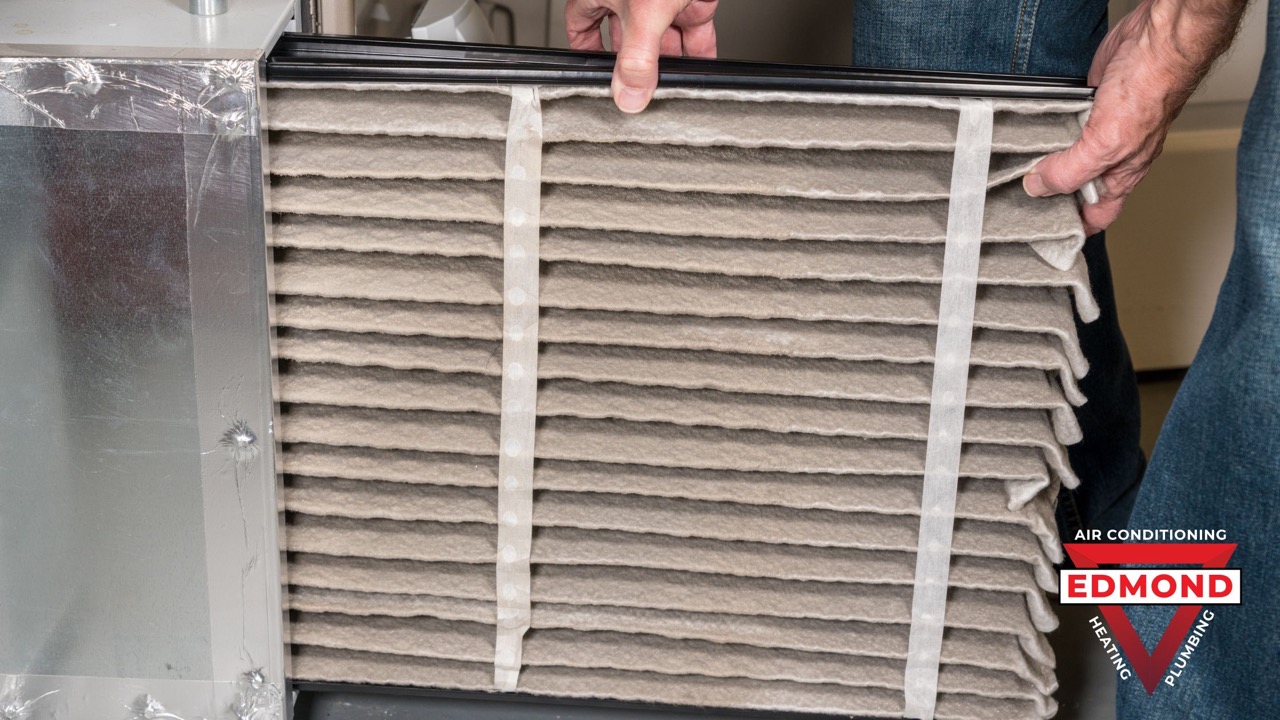
Warm air must move through the system and into the home. During a heating tune-up, the technician may check the filter, visible airflow conditions, blower operation, temperature change, and accessible duct connections. The exact steps depend on the equipment and service being performed.
A dirty or overly restrictive filter can reduce airflow and cause the system to work harder. Closed registers, blocked return grilles, blower problems, or duct issues can also contribute to uneven temperatures and longer run times.
Homeowners can purchase replacement HVAC filters from Edmond Air. Use the correct size and a filtration level appropriate for the equipment rather than assuming the most restrictive filter is always the best choice.
Gas furnaces require proper ignition, combustion, airflow, and venting. Depending on the equipment and tune-up scope, a technician may inspect accessible burners, ignition components, flame sensing, vent connections, safety controls, and signs of abnormal combustion or heat-related damage.
The heat exchanger is an important part of the furnace because it separates combustion gases from the air circulating through the home. A technician may inspect accessible areas and look for signs that require additional evaluation. No basic maintenance visit can make inaccessible areas visible, so the technician should explain any limitations and recommended next steps.
Safety controls should never be bypassed. If a carbon monoxide alarm sounds or anyone may be experiencing exposure symptoms, move to fresh air and contact emergency responders. Homeowners can also review Edmond Air’s guide to heater safety and carbon monoxide risks.
Every heating system relies on electrical components, even when the furnace burns gas. A tune-up may include checking accessible wiring, connections, capacitors, motors, breakers or disconnects, and safety switches as appropriate for the system.
Loose connections, damaged wiring, overheating, or a struggling motor can affect reliability and create safety concerns. Homeowners should not remove electrical panels or reach inside equipment. Report scorch marks, melted insulation, buzzing, or repeated breaker trips promptly.
A heat pump moves heat rather than producing it through gas combustion. It uses indoor and outdoor components and typically provides both heating and cooling. A heat pump tune-up may involve checking the outdoor unit, coils, refrigerant-related performance indicators, electrical components, defrost operation, airflow, auxiliary heat, and thermostat settings as appropriate.
Because a heat pump and gas furnace operate differently, the maintenance process should match the installed equipment. Tell the technician if the outdoor unit becomes coated in ice, the system frequently switches to auxiliary heat, the air feels cooler than expected, or energy use changed noticeably.
Edmond Air provides residential heating services for furnaces and heat pumps throughout Edmond and the Oklahoma City metro.
Routine maintenance and repair are separate services. Cleaning, adjustments, and standard checks may improve operation, but a tune-up won't fix every failing component or installation problem.
If testing reveals an issue, ask the technician to explain:
Clear information helps the homeowner understand whether the recommendation addresses safety, reliability, comfort, efficiency, or a combination of concerns.
A few simple steps can make the visit easier:
Do not clean burners, open sealed compartments, or disassemble equipment in preparation for the visit. The goal is safe access and accurate information.
The best time to learn how a heating system is operating is before the first night it must work nonstop. A fall tune-up gives homeowners an opportunity to ask questions, understand the equipment’s current condition, and address maintenance or repair recommendations with time to plan.
Edmond Air Conditioning, Heating & Plumbing serves homeowners in Edmond, Oklahoma City, Guthrie, Yukon, Moore, Norman, and surrounding metro communities. Homeowners who prefer planned seasonal service can also review the Comfort Keeper HVAC maintenance package.
To schedule a furnace tune-up in Edmond, OK, call (405) 348-1453 or request a heating service appointment online. Scheduling before the first major cold snap can help you enter heating season with a clearer understanding of your system.
Fall is a practical time because the system can be inspected before regular winter use begins. Scheduling ahead of the first cold snap also gives homeowners time to consider any repair recommendations.
No. A tune-up focuses on maintenance, inspection, and operation. If the technician finds a failed component, safety concern, or performance problem, they may recommend additional diagnosis or repair.
Yes. Heat pumps provide heating through a different process than gas furnaces, but they still rely on airflow, electrical components, controls, indoor equipment, and an outdoor unit that should be evaluated according to the system and manufacturer guidance.
No maintenance visit can guarantee that equipment will not fail. A tune-up can identify current operating concerns and visible warning signs, helping homeowners make informed maintenance and repair decisions before heavier winter use.